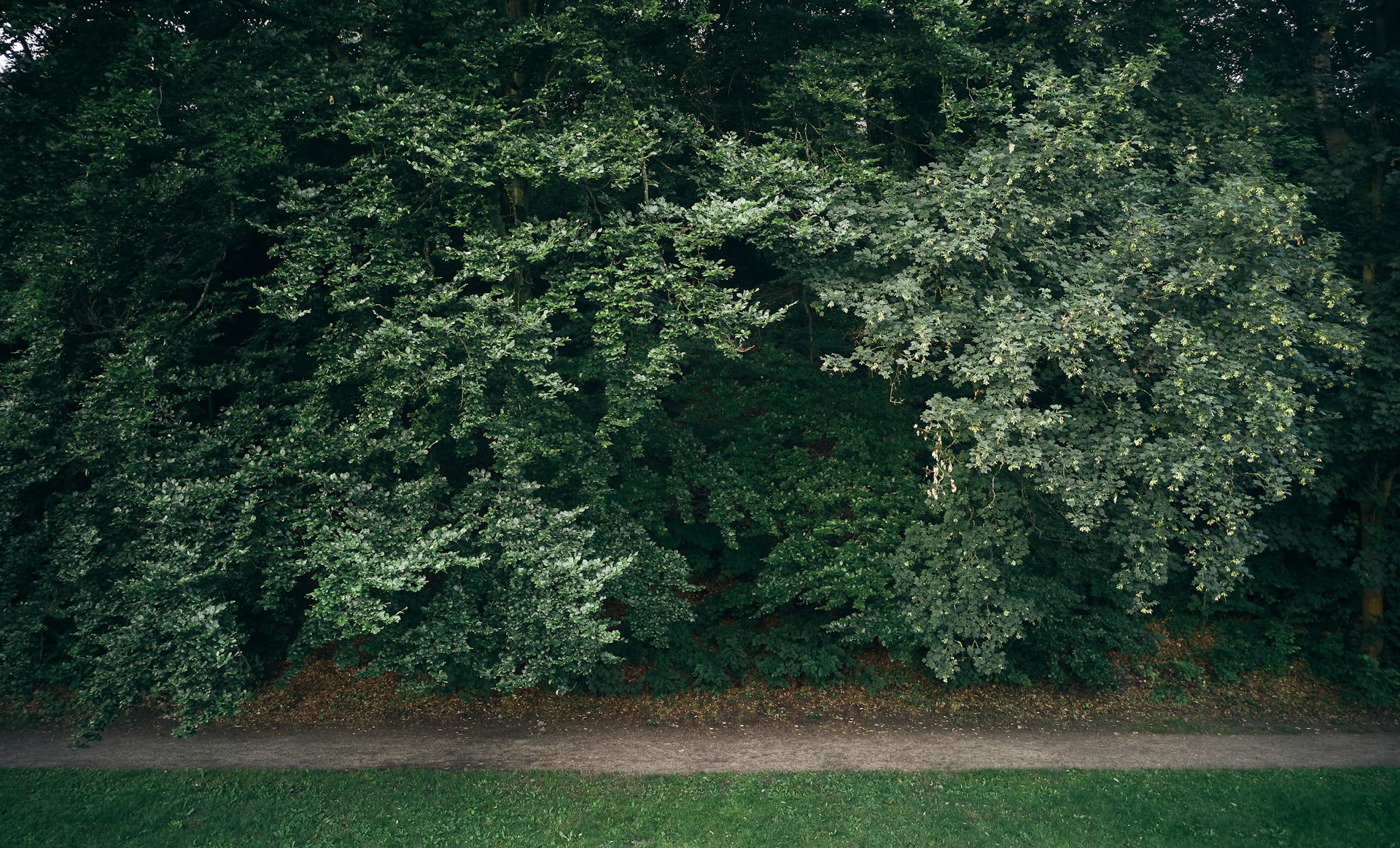
Anxiety can feel like a raging storm hovering over your life. In some ways, it can leave you on edge and emotional. In other areas, you can develop mood swings and anger. Chronic anxiety can also trigger physical conditions, such as high blood pressure, panic attacks, and heart disease.
Learning to self-regulate your emotions with mindfulness exercises for anxiety can decrease your risk of developing these conditions by lowering stress hormones.
Mindfulness Exercises for Anxiety
The following is a list of the top mindfulness exercises for anxiety that are effective, accessible, and free.
Deep Breathing Exercises
Deep breathing is one of the most accessible mindfulness exercises for anxiety. You can practice anywhere, including at home, work, or shopping. There are also a variety of deep breathing exercises you can try.
To begin, you may want to find a corner or a quieter place. Take a deep breath, inhaling through your nose for the count of four until you feel the breath fill your belly. Hold the breath for four counts, then release, exhaling through the mouth for at least four counts. This method is called 4-4-4 box breathing. You can also choose other counts, such as 4-7-8, holding your breath longer on the inhale or exhale.
5-4-3-2-1 Grounding Method
The 5-4-3-2-1 grounding method helps you refocus on the present. Anxiety heightens when memories of the past or worries about the future invade. You can push those thoughts out long enough to distance yourself from them with the 5-4-3-2-1 grounding method.
With this technique, you will notice and name items in your environment. Touching or describing them can help focus your mind. To begin, name five items you see, four objects you can touch, three things you hear, two things you smell, and one thing you taste.
Progressive Muscle Relaxation (PMR)
Progressive Muscle Relaxation (PMR) is a technique used to lower stress hormone levels and help the client become aware of muscle tension. Anxiety can cause muscle tension that you may not be aware of because it has become normal to you. Once you start practicing PMR daily, you will feel the areas where you are still holding tension, and you can work with a counselor on releasing tension and emotions.
 To begin, lie down on the floor, bed, or couch. Completely relax. Starting at your feet, tighten the muscles in your toes and curl them. Hold the tension for about five seconds, then exhale and release it for about 30 seconds, feeling the muscles let go of any remaining tension. Note the difference. Continue scanning your body from feet to head, focusing on each body part in turn. Ask yourself what body parts are still hanging onto the tension after PMR.
Mindful Walking
One of the best mindfulness exercises for anxiety is mindful walking and movement, which benefits both the body and the mind. It is similar to the 5-4-3-2-1 grounding technique, with the exception that you are going to pay attention to the details around you as you walk. Have you ever gone for a walk and rushed through it to reach your destination? Were you talking on the phone or listening to music, your mind somewhere else completely?
Mindful walking and movement challenge your mind to stay aware and in the present. To begin, choose a path or sidewalk where you can walk safely for at least 10-15 minutes. You can even walk back and forth on a smaller path if you prefer.
Pay attention to the feel of your feet on the ground, listening to the sounds around you. Check your breath as you walk, and try a breathing exercise, perhaps inhaling for the count of four steps and exhaling for the count of four steps.
Studying an Object
The mind can get caught in a loop of negative thoughts and beliefs that feed on one another. By intentionally studying an object, you break this worry loop. There are several ways you can break the cycle with an object.
To start, choose an object you can hold in your hand. This can be a mug, a fidget toy, or another item. Take note of how the object feels in your hand. Notice the texture and temperature. Describe it to yourself, using the senses. You may want to repeatedly use the same object if it brings you comfort and breaks the cycle. Or get outdoors, and try these exercises using items found in nature, such as stones, plants, and flowers.
Christian Counseling for Anxiety
Christian counseling is effective for treating anxiety and other mental conditions. Your counselor can customize a plan for you that includes mindful exercises for anxiety. Reach out to our center today by completing an online form or calling the closest location.
Photo:
“Stressed”, Courtesy of Getty Images, Unsplash.com, Unsplash+ License
-
 Melissa Plantz: Author
Melissa Plantz is a Christian author and freelance writer. She spent twenty years in the pharmacy industry and has specialized in faith, fitness, nutrition, geriatrics, and mental health since 2015. She writes from the beautiful Lake Marion area in S...
DISCLAIMER: THIS ARTICLE DOES NOT PROVIDE MEDICAL ADVICE
Articles are intended for informational purposes only and do not constitute medical advice; the content is not intended to be a substitute for professional medical advice, diagnosis, or treatment. All opinions expressed by authors and quoted sources are their own and do not necessarily reflect the opinions of the editors, publishers or editorial boards of Stone Oak Christian Counseling. This website does not recommend or endorse any specific tests, physicians, products, procedures, opinions, or other information that may be mentioned on the Site. Reliance on any information provided by this website is solely at your own risk.